Ravel & MacMillan: The Inspiration Behind Ravel’s Daphnis and Chloé
Blog ·
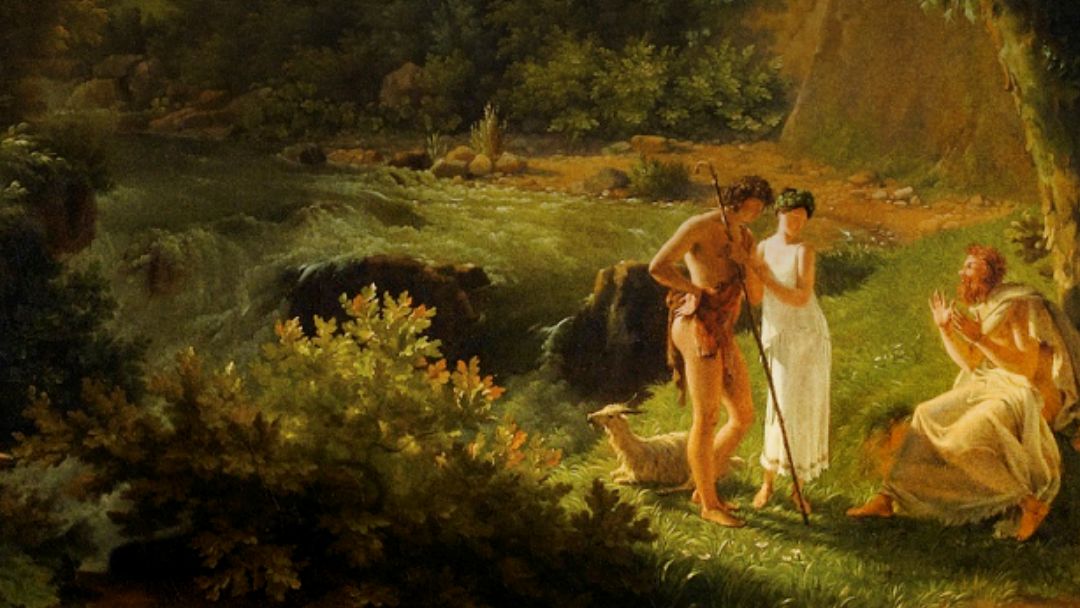
Image: Daphnis et Chloé demandant à un vieux chevrier ce que c'est que l'amour, 1809. Painting by Lancelot-Théodore, comte de Turpin de Crissé
Daphnis and Chloé is a Greek novel written by Longus nearly 2,000 years ago, and one of the oldest surviving romantic comedies in history.
It follows two young shepherds who grow up together on the island of Lesbos. As they come of age, their childhood friendship blossoms into love. But their romance doesn't stay simple for long.
All of a sudden, pirates arrive, Chloé is kidnapped and the young couple are torn apart. As Daphnis searches for her, the gods intervene, setting off a series of twists that ultimately change both of their lives.
Fast forward almost two millennia.
In 1909, French composer Maurice Ravel was commissioned to transform Daphnis and Chloé into a ballet. When it premiered in 1912, it became one of the largest, most ambitious works of his career.
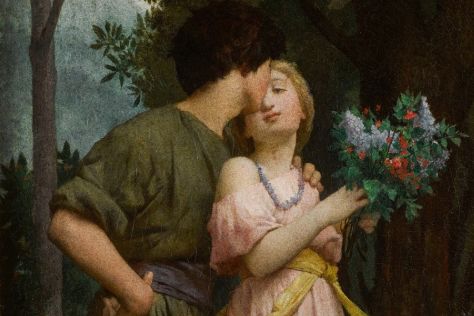
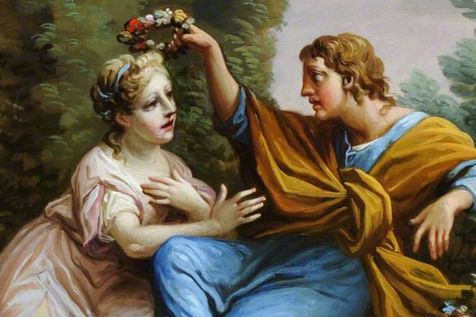
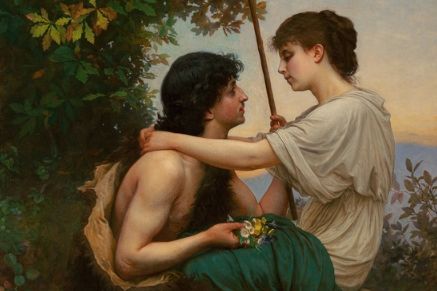
Image L-R: Daphnis et Chloé (1868) painting by Jules Elie Delaunay, Daphnis Bestowing a Garland of Flowers on Chloé (1776) painting by Antonio Zucchi, Daphnis and Chloe (1893) painting by Camille Félix Bellanger.
To realise his vision, Ravel scored the ballet for an enormous orchestra and wordless choir. Rather than singing text, Ravel treats them like another instrument to create an evocation of the divine.
The result is a world that never truly existed. An ancient Greek love story, reimagined through French impressionism and brought to life with some of the most radiant, breathtaking music ever written.
Don’t miss Ravel’s shimmering masterpiece at Ravel & MacMillan this July!
Ravel & MacMillan
Friday 17 July, 7.30pm
Saturday 18 July, 7.30pm
Concert Hall, QPAC